
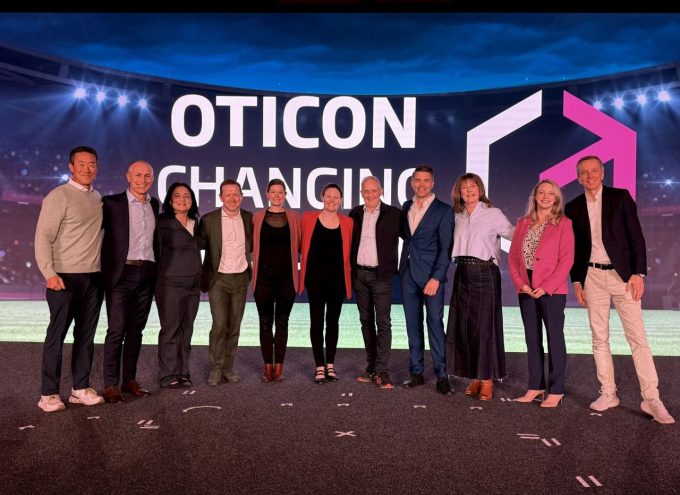
Last month, a roundtable event brought together stakeholders interested in Auracast implementation nationwide. The result is a shared commitment to accelerate the installation and uptake of the assisted listening technology by the end of the decade: Auracast 2030.
Organised by GN Hearing in collaboration with deaf journalist Liam O’Dell, participants came away with the challenge of actionable steps that will help achieve this aim.
Aurahear.co.uk‘s Phil Creighton, in his role as an Auracast Evangelist, gave a short presentation on Auracast installations, and Liam and The Limping Chicken‘s Charlie Swinbourne also gave presentations.
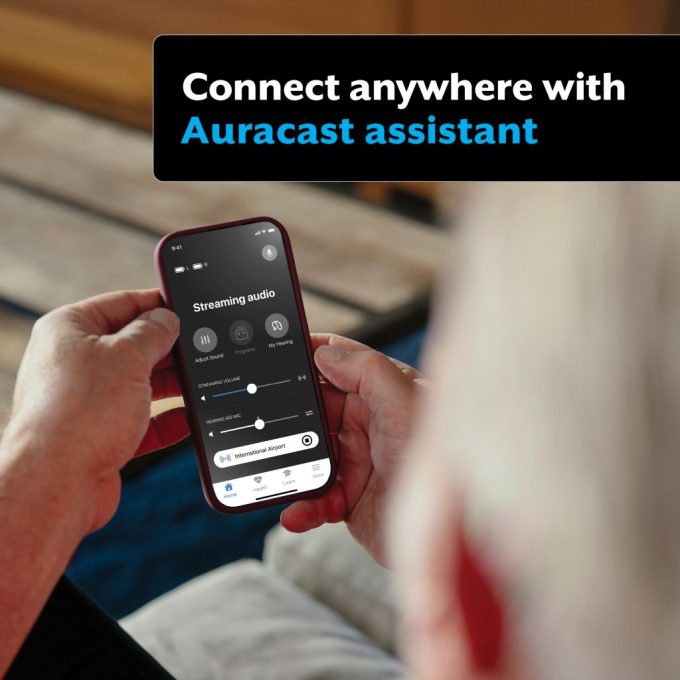
Auracast is a new assistive listening technology that uses Bluetooth LE Audio technology. Those who need some help hearing in public venues, or friends wanting to share music, can tune in to the Auracast via compatible hearing aids, headphones, earpods, or Cochlear.
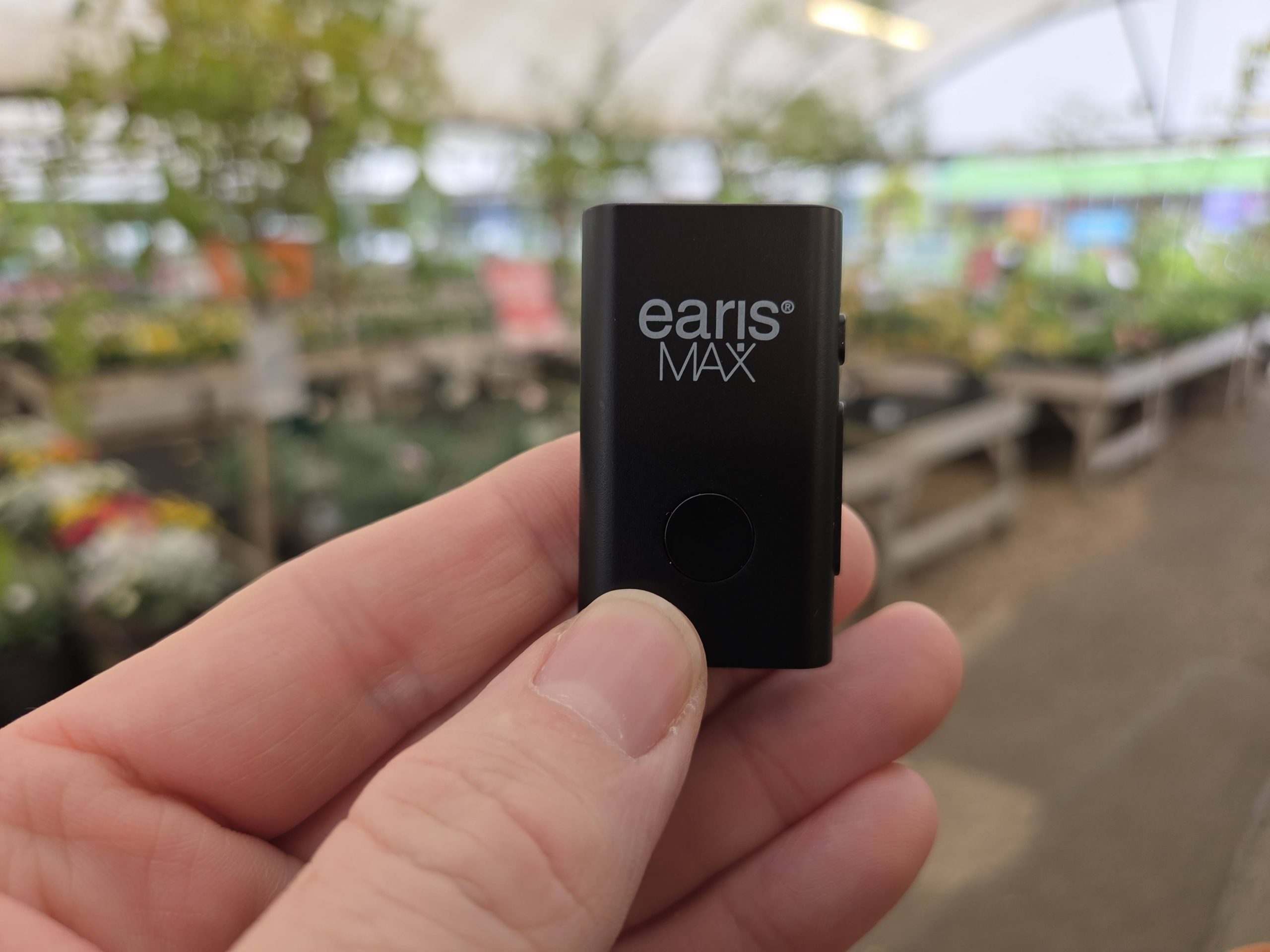
It is like a Telecoil but has more versatility as it is backwards compatible with older hearing aid technology, and can be portable: an Auracast can be set up from microphones about the size of a stick of chewing gum. This is ideal for smaller meetings such as book groups, lectures, or pub quizzes.
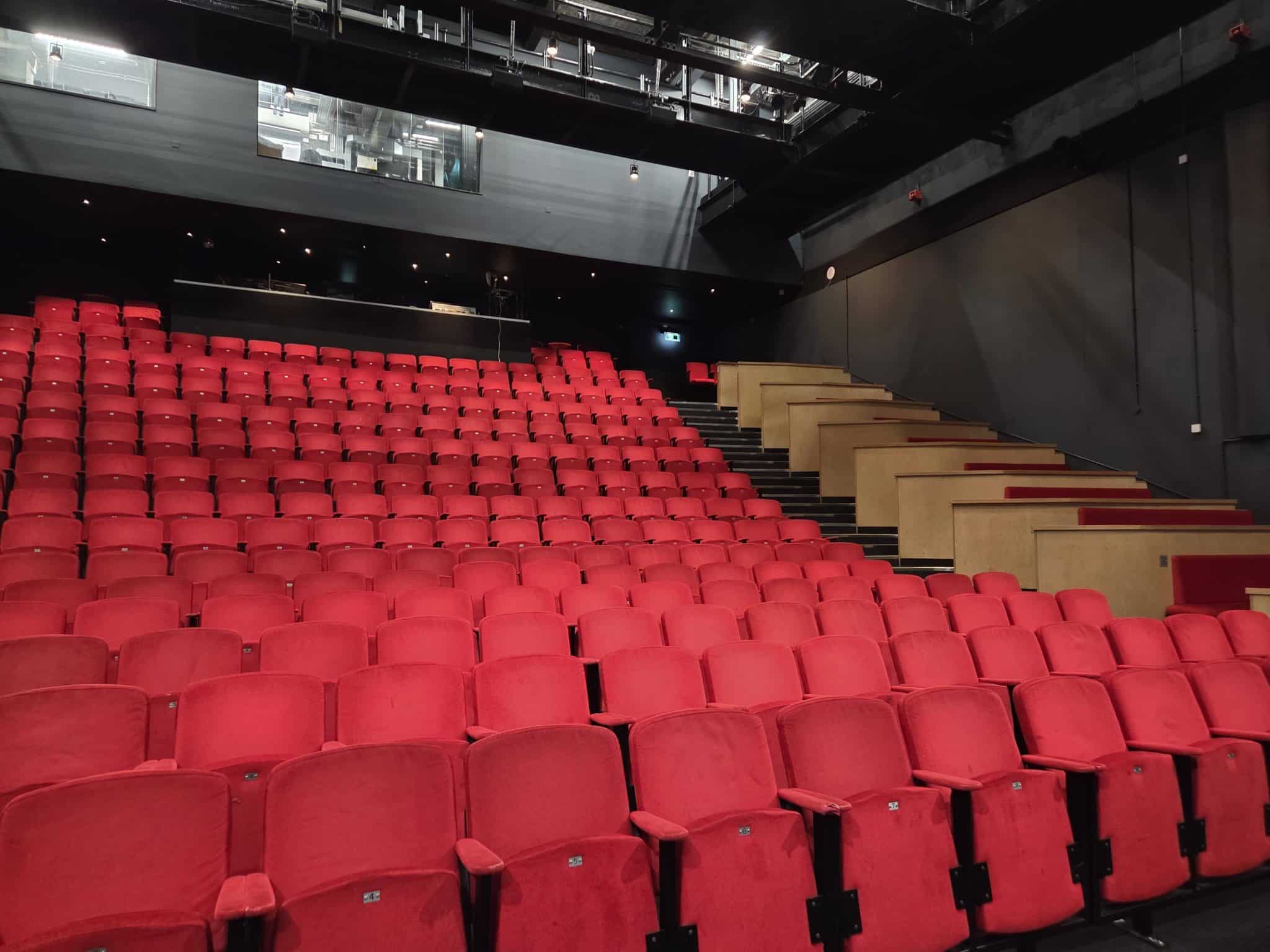
Most people will experience Auracast in theatres, concert halls, or cinemas. Those with Telecoil-enabled hearing aids can borrow receiver devices about the size of a pebble and create a personalised loop.
And with all setups, people can sit where they want within a venue as an Auracast signal can carry up to 100 metres indoors or out … and it really is crystal clear audio that people receive.
Auracast is a 21st-century solution to assistive listening issues, especially as many hearing aids are no longer supplied with a telecoil. Another issue is that awareness of assistive listening solutions is low.
As the document for Auracast 2030 notes: “Auracast is redefining what ‘accessible’ means in public spaces – moving beyond an accessibility requirement to create genuinely inclusive environments. Setting a new benchmark for accessibility that can be adopted globally, Auracast isn’t just a technical innovation; it’s a promise of inclusion for everyone. The technology benefits hearing aid users, neurodivergent individuals and anyone seeking a clearer sound experience.”
What is the Collective Vision for Auracast 2030?
We envision a world where accessible audio is a fundamental right, not a privilege, allowing everyone to hear better, live better and connect more fully with the world around them.
To achieve this, we call on arts venues, transport hubs, hospitals, supermarkets and beyond to commit to working towards a future that is Auracast-enabled by 2030.
Auracast is available now — don’t get left behind and join us to help make equal participation the standard in every space.
What challenges are there for Auracast 2030?
Those with hearing loss are encouraged to seek out and use Auracast-enabled venues, while also advocating for the technology so that others can discover what it can do.
Advocates, journalists and user groups are asked to actively communicate the importance of Auracast’s role in advancing accessibility and be a conduit for sharing best practices for the technology.
Hearing Care Professionals and Audiology Associations have a role to play in Auracast 2030: they can help with the education of patients, letting them test it, and have access to Auracast-enabled hearing aids. They can also work with user groups to ensure understanding and advice is available.
Theatres and Venues can explore what is needed to install Auracast in their venues, train staff and champion Auracast availability.
The final set of challenges in Auracast 2030 is to Technology Partners and Industry Experts.
These advocates commit to innovation and collaboration over Auracast, testing and educating its capabilities and benefits, overcoming barriers and demonstrating the advantages that the technology brings.
And they are tasked with collaborating with user groups and advocacy bodies
to ensure that technological advancements meet real-world needs and contribute to a truly inclusive audio landscape.
What do we think of Auracast 2030?
We love it.
Then again, we are biased. We have experienced Auracast and understand the benefits it brings.
Having a date to work to helps focus minds. One of the biggest challenges is getting everyone ready.
It’s a bit like Christmas in that sense – December 25 is a fixed point, but how people get there will vary greatly. Some will be early with their present buying and card sending, others will be in the petrol station at midnight stocking up on flowers, chocolates and air fresheners.
By challenging people to be ready by the end of the decade, Auracast 2030 is a great idea. We wish everyone would be early adopters.



Leave a comment